

Teach English in Mexico
The Ultimate 2026 Guide to Work Visas, Tacos, and the "Nearshoring" Boom.
Mexico is the heart of the Latin American TEFL world. It offers a vibrant mix of ancient history, modern business, and some of the warmest hospitality on earth. In 2026, the demand for English teachers is massive, driven by the "Nearshoring" boom as international companies move operations to cities like Monterrey, Guadalajara, and Mexico City.
For independent teachers, the market is accessible but bureaucratic. You can enter on a tourist visa and convert it to a work residency (FM3) once hired, but navigating the paperwork alone requires patience and Spanish skills. The market generally favors those who are on the ground and ready to interview in person.
While many teachers choose to navigate this independently, others opt for structured programs to bypass the initial hurdles of settling in. Regardless of your path, a myTEFL 120-hour certificate is the industry standard required to secure a legal work visa and a reputable contract.
Quick Facts
What’s in this guide?
Your roadmap to the Aztec empire. Learn how to navigate the "Canje" visa process, budget in Pesos, and choose between the big city and the beach.
- The TEFL jobs market in Mexico
- Types of English Teaching Jobs
- Teacher Salary in Mexican Pesos (MXN)
- Tourist to FM3 (The Canje Process)
- Requirements for 2026
- School Terms & Mañana Culture
- Cost of living: CDMX vs. Puerto Vallarta
- Where to teach: CDMX, Guadalajara, Beach
- Getting hired: Independent vs. Intern
- Mexico TEFL FAQs

The TEFL jobs market in Mexico
Mexico's proximity to the US means English is a vital skill for the workforce. The market is vast, ranging from university positions in Mexico City to tourism training in Cancun.
Business English is the largest sector. With international companies opening factories and offices across the country, there is a constant need for teachers who can train staff in corporate communication.
For new teachers, the challenge is often navigating the bureaucracy. Finding a trustworthy employer who pays on time and sponsors the work visa is crucial. While independent teachers can find work by knocking on doors, it is important to verify that any potential employer is registered to sponsor visas with the National Migration Institute.
- Population: 130 million
- Language(s): Spanish
- Currency: Peso (MXN / $)
- Capital city: Mexico City
- Estimated salary: 12,000 - 18,000 MXN
- Public Holidays: ~8 mandatory days
- Climate: Varied (Desert to Tropical)
- Main Transport: Metro & Bus (Colectivo)
- Internet: Good in cities
Types of English teaching jobs in Mexico
From university lecture halls to corporate boardrooms.
Language Institutes
Schools like Harmon Hall or Quick Learning. They hire year-round. Expect split shifts (mornings and evenings) teaching adults and teens.
Universities
The best local jobs. Major universities (UNAM, Tec de Monterrey) hire qualified teachers. Higher pay, better benefits, and long holidays.
K-12 Bilingual Schools
Private elementary and high schools. They require a full-day commitment (7 AM - 3 PM) but offer weekends off and paid vacations.
Business English
Teaching executives at their offices. High hourly pay, but involves travel time. Common in industrial hubs like Monterrey and Querétaro.
TEFL teacher salary in Mexico
Mexico is a very affordable country, but salaries reflect the local cost of living. You will not save thousands of dollars here, but you can live a very comfortable, fun lifestyle.
Average Pay: Most entry-level jobs pay between 12,000 and 16,000 MXN ($600 - $850 USD) per month. This is enough to rent a room in a shared apartment, eat street tacos daily, and travel on weekends.
University/Elite Pay: Experienced teachers at universities or international schools can earn 20,000 - 30,000 MXN.
The Side Hustle: Many teachers supplement their income by teaching private classes online (earning USD) or locally (charging 300-500 MXN per hour).
Monthly Salary Range (MXN)
| Language Institute (Net) | 12,000 - 15,000 |
| University Job | 18,000 - 25,000 |
| Private Tutoring (Hourly) | 300 - 500 / hr |
| Rent (Room in CDMX) | 6,000 - 9,000 |
| Street Tacos (Lunch) | 60 - 100 |
Tourist to FM3 (The "Canje")
Tourist Visa (FMM): Most teachers enter Mexico on a 180-day tourist visa. It is technically illegal to work on this, but it is the standard way to enter the country to interview and find a job.
Work Visa (Residente Temporal with Permiso de Trabajo): Once you are hired, your school will sponsor you. You must start the process with the National Migration Institute (INM).
The "Canje" Process
Often, you must leave Mexico briefly to pick up your work visa sticker at a Mexican consulate abroad (many go to Texas or Guatemala) and then re-enter to finalize the process. This is called the "Canje." Your employer should guide you through this.
Requirements to teach English in Mexico

Mexico is more flexible than Asia or the Middle East. A degree is not always a dealbreaker, but certification is key.
- 120-Hour TEFL Certificate Essential. Mexican schools require proof of teaching ability. This is the main document used to justify your hiring to the immigration authorities.
- Bachelor’s Degree Not Always Required. While universities strictly require a degree, many private language institutes and K-12 schools will hire native speakers with a TEFL certificate and no degree.
- Native/Fluent English Native speakers are preferred, but fluent non-natives (C1/C2) with a neutral accent and a TEFL certificate can find work, especially in smaller cities.
- Professionalism Despite the relaxed culture, Mexican business culture is formal. You are expected to dress well and be punctual for work.
School Terms & Mañana Culture
Hiring Season: The peak hiring seasons are late summer (August) for the start of the school year, and January. However, language institutes hire year-round due to turnover.
Patience is Key
Bureaucracy in Mexico can be slow. The concept of "Mañana" (tomorrow/later) is real. Visa processing, setting up bank accounts, and getting internet installed often take longer than expected. Patience and a polite attitude are your best tools.
Schedules: Business English teachers often work split shifts (7-9 AM and 6-9 PM). K-12 teachers work a standard 7 AM - 3 PM day.
Cost of living & Savings in Mexico
Mexico offers an incredible quality of life for the price. While you won't save much in USD, you can afford to eat out, travel, and enjoy life on a teacher's salary.
Housing: In trendy Mexico City neighborhoods (Roma, Condesa), a room in a shared apartment costs 8,000 - 12,000 MXN. In smaller cities or beach towns, rent is significantly cheaper (5,000 - 8,000 MXN for a private studio).
Food: Street food is a religion. You can get 5 delicious tacos for 60 MXN ($3). A formal sit-down dinner costs 300-500 MXN. Markets offer cheap, fresh produce year-round.
Monthly Budget (Single Teacher)
| Rent (Room in CDMX) | 7,000 - 10,000 MXN |
| Utilities & Cell | 800 - 1,500 MXN |
| Groceries & Tacos | 3,000 - 5,000 MXN |
| Transport (Metro/Uber) | 500 - 1,000 MXN |
| Leisure/Mezcal | 2,000 - 4,000 MXN |
Where to teach English in Mexico?
From the high-altitude energy of the capital to the laid-back Pacific coast.
Mexico City (CDMX)
The cultural and economic titan. Infinite food, museums, and nightlife. The highest paying jobs are here, but also the most competition. Best for city lovers.
Guadalajara
The land of Tequila and Mariachi. A tech hub ("Mexican Silicon Valley") with a lower cost of living than CDMX and a more relaxed, traditional vibe.
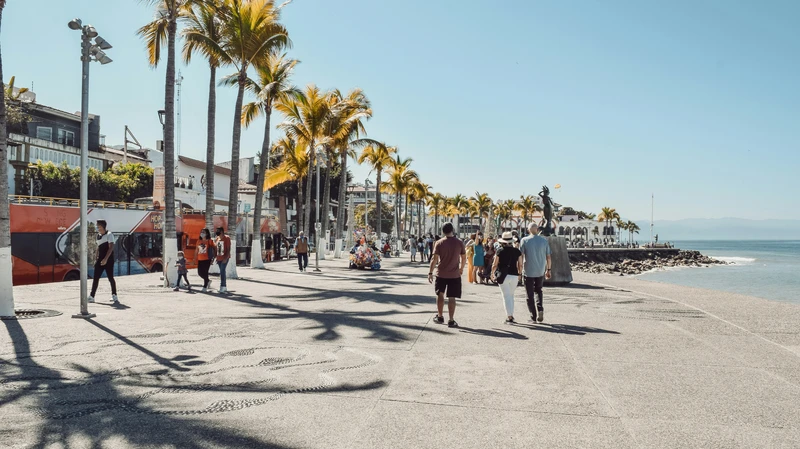
Puerto Vallarta
A beach town with a soul. Very popular for tourism English jobs. A huge expat community and incredible sunsets. Perfect if you want to teach by the ocean.

Monterrey
The industrial powerhouse of the north. Wealthy, modern, and surrounded by mountains. High salaries and high demand for Business English.
How to get a job in Mexico
You can fly down solo and hunt for jobs, or choose the structured internship for a guaranteed placement and instant community.
The Independent Route
Get your 120-hour certificate online and fly to Mexico. You will need to find your own apartment, interview with schools in-person, and manage the visa "canje" process yourself.
- Flexibility: Choose your own city and schedule.
- Budget: Lower upfront cost.
- Logistics: You handle housing/visa solo.
Mexico Internship Program
4 Weeks Training + Job Placement. Get certified in-person in Mexico. Includes social events, cultural excursions, and job placement. Housing assistance provided.
- Social: Arrive with a group, excursions included.
- Guaranteed Job: We connect you with vetted schools.
- Support: Assistance with visa & housing.
Frequently Asked Questions
Important details for the 2026 Mexican teaching market.