

Teach English in Poland
The Ultimate 2026 Guide to Type A Visas, Language Schools, and Life in Central Europe.
Poland is the hidden gem of the European TEFL market. While everyone fights for scraps in Spain or Italy, Poland offers a stable economy, a welcoming expat community, and a high demand for English teachers. In 2026, it remains one of the few EU countries where it is relatively straightforward for Americans and Canadians to secure a sponsored work visa.
For EU citizens, the market is wide open. For Non-EU citizens, the process is cleaner than in the West: schools can apply for a "Type A" work permit for you, and the government is generally open to issuing them for qualified native speakers.
The market is dominated by Business English. Poland is a major hub for international corporations (BPOs and Shared Service Centers), meaning adult professionals are desperate to improve their communication skills. A myTEFL 120-hour certificate is the industry standard here, proving to schools that you can handle corporate clients and demanding schedules.
Quick Facts
What’s in this guide?
Your roadmap to the Vistula River. Learn how to navigate the Type A work permit, budget in Złoty, and find the best teaching gigs in Warsaw and Kraków.
- The TEFL jobs market in Poland
- Language Schools & In-Company Training
- Teacher Salary in Polish Złoty (PLN)
- The Type A Work Permit Process
- Requirements for 2026
- School Terms & Block Hours
- Cost of living: Warsaw vs. Wrocław
- Where to teach: Warsaw, Kraków, Gdańsk
- Getting hired: The Independent Route
- Poland TEFL FAQs
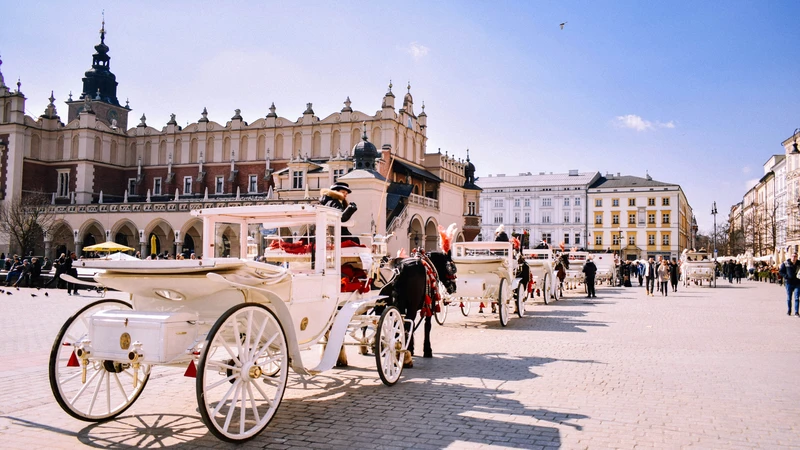
The TEFL jobs market in Poland
The Polish TEFL market is robust, mature, and professional. English is the language of business in Poland, and the country's rapid economic growth means that professionals are constantly seeking to upgrade their skills.
Most teachers work for Private Language Schools. These schools often contract you to teach "In-Company" classes. This means you travel to the offices of big companies (banks, IT firms) to teach their staff in the morning, and then teach general English at the language school in the evening.
There is also a popular niche for Language Immersion Programs (like Angloville). These are short-term volunteer opportunities where you spend a week in a hotel in the countryside speaking English with Polish professionals in exchange for free room and board. It's a great way to start your journey.
- Population: 38 million
- Language(s): Polish
- Currency: Polish Złoty (PLN)
- Capital city: Warsaw
- Estimated salary: 4,000 - 6,000 PLN
- Public Holidays: 13 days
- Climate: Continental (Cold Winters)
- Main Transport: Trams & Trains
- Internet: Excellent
Types of English teaching jobs in Poland
From corporate boardrooms in Warsaw to historic classrooms in Kraków.
Private Language Schools
The standard employer. Schools like Berlitz, Profi-Lingua, or Speak Up hire year-round. You teach adults and teens. Visa sponsorship is common here.
In-Company Training
You travel to corporate offices to teach Business English. These contracts pay well but require travel time around the city (often unpaid).
International Schools
Elite schools (British/American curriculum). They hire fully licensed teachers from abroad. Salaries are high and often include housing allowances.
Immersion Camps
Short-term volunteer programs (e.g., Angloville). You get free room and board in a nice hotel for a week in exchange for chatting with locals.
TEFL teacher salary in Poland
Salaries in Poland allow for a comfortable life, but you won't be saving massive amounts of money. A typical teacher earns between 4,000 and 6,000 PLN ($1,000 - $1,500 USD) net per month.
While this sounds low compared to Western salaries, the cost of living in Poland is significantly lower. Rent, food, and beer are affordable.
Most teachers are paid hourly. If you work for a language school, you might be hired on a "B2B" contract (Business-to-Business), meaning you technically register as a sole trader to lower the tax burden for the school. This is very common in Poland.
Monthly Salary Range (PLN)
| Language School (Net) | 4,000 - 5,500 |
| Business English (Hourly) | 60 - 90 / hr |
| Private Tutoring (Cash) | 70 - 100 / hr |
| Studio Rent (Warsaw) | 2,500 - 3,500 |
| Studio Rent (Smaller Cities) | 1,800 - 2,500 |
The Type A Work Permit Process
EU Citizens: You have the right to live and work freely. You just need to register your stay if you plan to be in Poland for more than 3 months.
Non-EU Citizens: You need a Type A Work Permit. The good news is that Polish schools are accustomed to this process.
How it works
1. You find a job (online or in-person).
2. The school applies for a "Work Permit" for you at the local Voivodeship office.
3. Once approved, you take this permit to a Polish consulate (in your home country or sometimes a neighboring country) to apply for a Type D (National) Visa.
4. You enter Poland and apply for a Temporary Residence Card (Karta Pobytu).
Unlike Western Europe, Polish authorities generally recognize that native English speakers are a "necessity," making the approval process much smoother than in France or Italy.
Requirements to teach English in Poland
Polish employers value qualifications. To secure a visa and a good contract, you need to meet the following criteria.
- Bachelor’s Degree Mandatory for Visas. The government requires a degree (BA/BS) to issue a work permit for teaching.
- 120-Hour TEFL Certificate Essential. Schools in major cities like Warsaw and Kraków are competitive. A TEFL certificate is the standard requirement to get an interview.
- Native English Speaker Highly Preferred. Passports from the US, UK, Canada, Australia, Ireland, and NZ are the easiest to sponsor.
- Clean Criminal Record You may be asked to provide a background check for the visa process.
School Terms & Block Hours
Hiring Season: The peak hiring season is September/October. There is a secondary, smaller peak in January/February for the second semester. Summer (July/August) is generally dead for regular schools, though summer camps are active.
The Corporate Hustle
Most teachers in Poland work "split shifts." You might teach Business English at a corporation from 8:00 AM - 10:00 AM, have the day free, and then teach general English at a language school from 5:00 PM - 8:00 PM.
Block Hours: Schools usually pay per 45-minute or 60-minute "academic hour." Make sure your contract clarifies whether you are paid for prep time (usually not) and travel time (rarely).
Cost of living & Savings in Poland
Poland offers excellent value for money. While prices in Warsaw have risen, it is still much cheaper than London, Paris, or Berlin.
Housing: A studio apartment in Warsaw costs about 2,500 - 3,500 PLN ($650 - $900). In smaller cities like Łódź or Poznań, this drops significantly. Many teachers share apartments to save money.
Food & Fun: A "Milk Bar" (Bar Mleczny) lunch costs $5-$7. A pint of beer is $3-$4. Groceries are high quality and affordable. Public transport is efficient and cheap.
Monthly Budget (Single Teacher)
| Rent (Studio in City) | 2,500 - 3,500 PLN |
| Utilities & Internet | 600 - 800 PLN |
| Groceries | 800 - 1,200 PLN |
| Transport | 110 PLN |
| Leisure/Dining | 500 - 800 PLN |
Where to teach English in Poland?
Poland has several major cities, each with a distinct vibe and job market.
Warsaw (Warszawa)
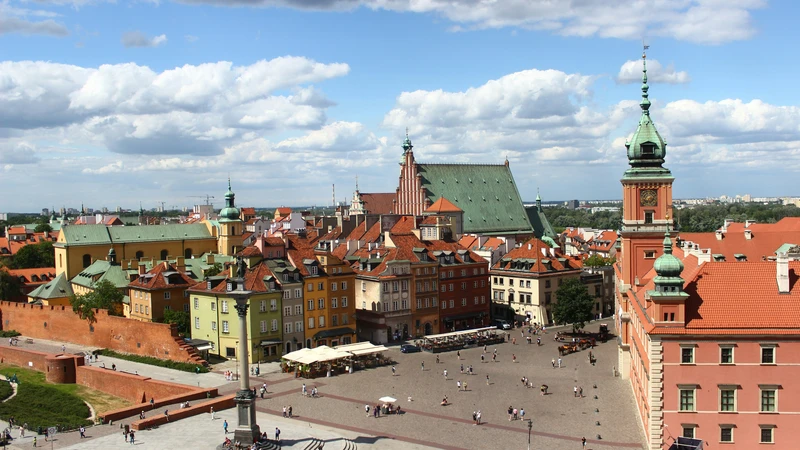
The modern capital. A business hub with skyscrapers and a restored Old Town. The highest salaries and the most jobs are here, but it also has the highest cost of living.
Kraków
The cultural heart. Stunning architecture, a massive student population, and a vibrant nightlife. Extremely popular with expats, so competition for jobs is higher.

Wrocław
The "Venice of Poland." Known for its islands, bridges, and university vibe. A booming tech sector creates strong demand for Business English.
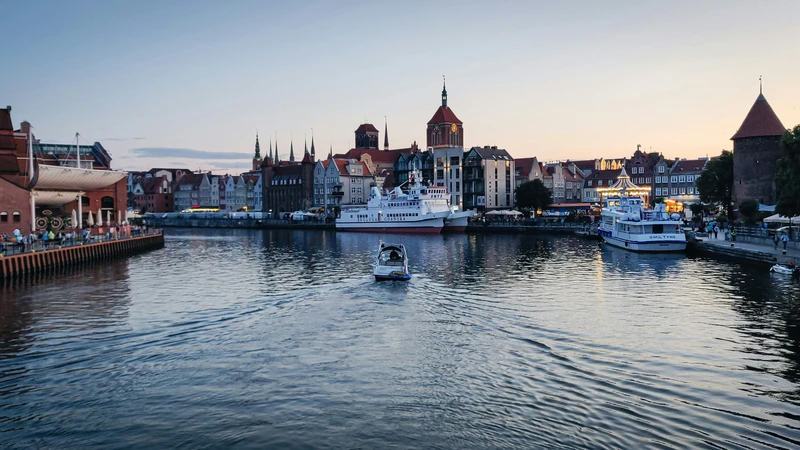
Gdańsk (Tricity)
On the Baltic coast. Part of the "Tricity" area (with Gdynia and Sopot). Beautiful Hanseatic architecture and beaches. Growing market for English.
How to get a job in Poland
Poland is one of the most accessible markets in the EU for non-citizens. Having the right qualifications makes the visa sponsorship process much smoother for schools.
Get Your 120-Hour Certificate
Polish schools are professional and academic. A 120-hour myTEFL certificate proves you have the skills to handle Business English clients and is a key document for your work permit application.
- Visa Support: Essential for the Type A work permit.
- Hireability: Makes you attractive to top schools.
- Accredited: Globally recognized standard.
- Lifetime Access: Keep your lesson plans forever.
Frequently Asked Questions
Crucial info for the 2026 Polish teaching landscape.