
Teach English in Saudi Arabia
The Ultimate 2026 Guide to Tax-Free Salaries, Vision 2030, and the Kingdom's Transformation.
Saudi Arabia is the financial heavyweight of the TEFL world. Driven by the ambitious Vision 2030 initiative, the Kingdom is aggressively pivoting from an oil-based economy to a global hub for tourism and business. This has created an unprecedented demand for English teachers to upskill the local workforce.
For qualified teachers, Saudi Arabia offers the highest savings potential on the planet. Salaries are tax-free, and packages almost always include free furnished housing, flights, and medical care. It is not uncommon for teachers to save 70-80% of their income.
However, this market demands professionalism. The "backpacker teacher" does not exist here. Employers like universities, military colleges, and elite international schools require a Bachelor's Degree and a myTEFL 120-hour certificate to process the mandatory "Iqama" (residency permit).
Quick Facts
What’s in this guide?
Your roadmap to the Kingdom. Learn how to secure the coveted Iqama, navigate cultural norms, and maximize your tax-free savings.
- The TEFL jobs market in Saudi Arabia
- Universities, Compounds & Schools
- Teacher Salary (Tax-Free & Perks)
- The Iqama Process & Sponsorship
- Requirements for 2026
- Contract Benefits & End of Service
- Cost of living: Riyadh vs. Jeddah
- Where to teach: Riyadh, Jeddah, Dammam
- Getting hired: The Independent Route
- Saudi Arabia TEFL FAQs
The TEFL jobs market in Saudi Arabia
Saudi Arabia is rapidly opening up. Vision 2030 has mandated English proficiency across the tourism, entertainment, and business sectors. This has created a massive need for teachers at Universities and Vocational Colleges (like the Colleges of Excellence).
The market is bifurcated. On one hand, you have University positions that require a Master's degree and pay top dollar. On the other, there are hundreds of positions at Language Institutes and International Schools for BA holders with a TEFL certificate.
"Saudization" (Nitaqat) is a key policy where companies must hire locals for admin roles. However, English teaching remains a skill gap that relies heavily on foreign talent, specifically from native-speaking countries (USA, UK, Canada, etc.).
- Population: 36 million
- Language(s): Arabic (English common in business)
- Currency: Saudi Riyal (SAR)
- Capital city: Riyadh
- Tax Rate: 0% (Income Tax)
- Climate: Desert (Extremely Hot Summers)
- Main Transport: Car / Uber / New Metro
- Internet: Excellent (5G/Fiber)
Types of English teaching jobs in Saudi Arabia
From high-tech campuses in Riyadh to coastal colleges in Jeddah.
Universities (PYP)
Preparatory Year Programs (PYP). Teaching university freshmen the English skills needed for their degrees. Stable hours, long holidays, and high pay.
Vocational Colleges
Technical training for young adults entering the workforce. Focus on practical, technical English. Very common across the Kingdom.
International Schools
K-12 schools serving expats and wealthy locals. They follow US/UK curriculums. High salaries but require a state teaching license.
Language Institutes
Private centers like Wall Street English or Berlitz. They teach adults in the evenings. Good entry point for new teachers.
TEFL teacher salary in Saudi Arabia
Saudi Arabia is synonymous with high disposable income. Salaries are 100% tax-free. This means if your contract says $3,500, exactly $3,500 lands in your bank account.
The "Package" Economy: Your salary is just one part of the deal. Standard contracts include:
• Housing: Free furnished apartment or a villa in a "Western Compound" (worth $15k-$20k/year).
• Flights: Annual round-trip tickets home.
• Medical: Full insurance coverage.
• Transport: Driver service or cash allowance.
Because your major expenses are covered, it is realistic to save $20,000 - $30,000 USD per year without living frugally.
Monthly Salary (Tax-Free USD)
| University (MA/PhD) | $3,500 - $5,500 |
| College / School (BA) | $2,500 - $3,500 |
| Private Tutoring (Hourly) | $40 - $60 / hr |
| Housing Cost | $0 (Provided) |
| Tax Deductions | $0 |
The Iqama Process & Sponsorship
You cannot work in Saudi Arabia without an Iqama (Residency Permit). This is strictly employer-sponsored.
The Process:
1. Job Offer: You secure a contract from abroad.
2. Document Attestation: You must have your Degree, TEFL, and Background Check "attested" (legalized) by the Saudi Embassy in your home country. This is a vital, time-consuming step.
3. Visa Entry: You enter on a temporary work visa.
4. Medical & Iqama: In your first week, you take a medical test (blood/x-ray). Your employer then issues your Iqama card.
Exit/Re-Entry Visa
Your Iqama ties you to your employer. To leave the country (even for a holiday), your employer must issue an "Exit/Re-Entry Visa." While the system has modernized, your employer remains your legal sponsor.
Requirements to teach English in Saudi Arabia
Saudi Arabia is strict about paperwork. To get a visa, you must meet the Ministry of Education's criteria.
- Bachelor’s Degree Mandatory. You cannot get a work visa without a university degree. For English teaching jobs, a degree in English/Linguistics is preferred, but any BA often works if accompanied by a TEFL.
- 120-Hour TEFL Certificate Essential. This acts as your teaching license. It must be a 120-hour accredited course.
- Native English Speaker Strictly Enforced. Most visas are reserved for citizens of the US, UK, Canada, Ireland, Australia, NZ, and South Africa.
- Clean Medical & Police Record You must pass a comprehensive medical exam (no HIV/Hepatitis) and provide a clean FBI/Police background check.
Contract Benefits & End of Service
Hiring Season: The main intake is for the August/September start. Recruiting begins as early as January.
End of Service Gratuity
By Saudi labor law, when you finish your contract, you are entitled to an "End of Service Benefit" (ESB). This is roughly equivalent to half a month's salary for each of the first five years, and a full month's salary for years thereafter. It’s a nice leaving bonus!
Work Week: The standard work week is Sunday to Thursday. Friday and Saturday are the weekend.
Cost of living & Savings in Saudi Arabia
Because your biggest costs (rent, medical, flights) are covered by your employer, your daily living expenses are low relative to your salary.
Food & Lifestyle: Groceries are affordable. Dining out ranges from cheap shawarmas ($3) to luxury dining in Riyadh ($50+). Gas is incredibly cheap.
Compounds: Many teachers live in "Western Compounds." These are gated communities with pools, gyms, and relaxed dress codes. Life inside the compound is very different from the conservative streets outside.
Monthly Budget (Single Teacher)
| Rent (Compound) | $0 (Provided) |
| Utilities & Internet | $100 - $150 |
| Groceries | $250 - $400 |
| Transport (Uber/Taxi) | $150 - $200 |
| Dining/Social | $300 - $500 |
Where to teach English in Saudi Arabia?
Most jobs are in the three major hubs, each offering a distinct lifestyle.
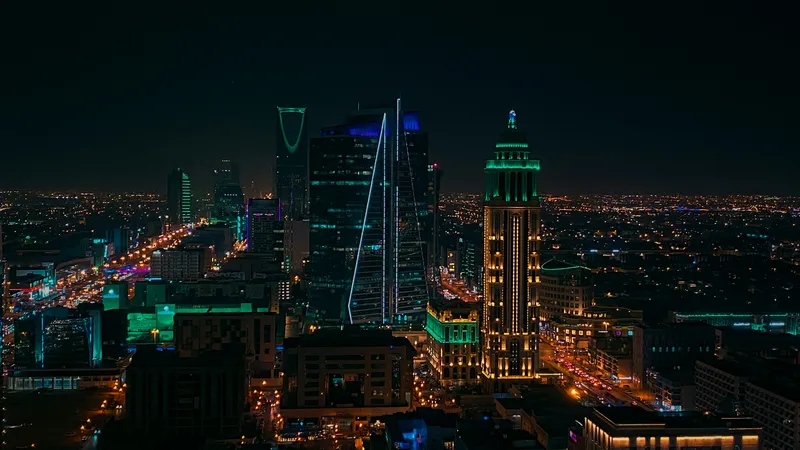
Riyadh
The powerhouse capital. Conservative, massive, and rapidly modernizing with malls, festivals, and skyscrapers. It has the most jobs and highest salaries.
Jeddah
The Red Sea gateway. More liberal, relaxed, and open than Riyadh. Famous for its historic Al-Balad district and diving. A favorite for expats.
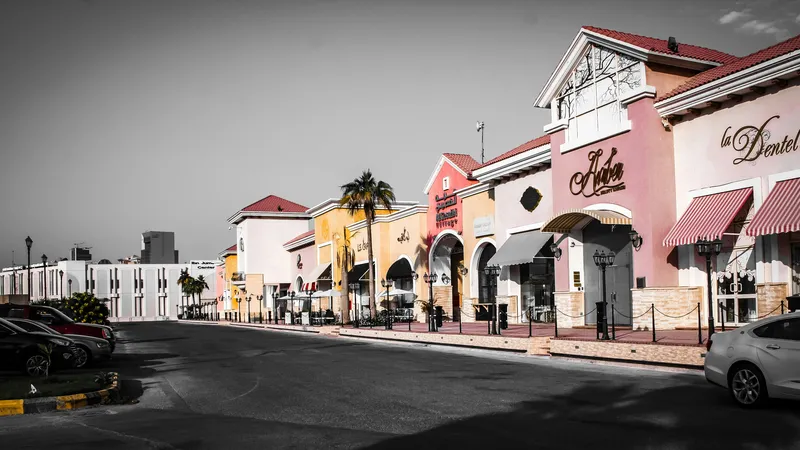
Dammam / Khobar
The oil hub in the East. Very close to the Bahrain causeway (for weekend trips). Large expat community due to Aramco. Good balance of salary and lifestyle.
Medina
A holy city. Employment is restricted for non-Muslims in the sacred core, but jobs exist on the periphery. Extremely conservative and peaceful.
How to get a job in Saudi Arabia
The hiring process is rigorous. Schools need to see full credentials to secure your visa approval from the Ministry.
Get Your 120-Hour Certificate
To teach in Saudi Arabia, your documents must be impeccable. A 120-hour myTEFL certificate is the industry standard, accepted by the Saudi Cultural Attaché for visa processing.
- Visa Approved: Accepted for document attestation.
- University Ready: Essential for higher-ed jobs.
- Accredited: Internationally recognized.
- Lifetime Access: Resources forever.
Frequently Asked Questions
Essential insights for the 2026 Saudi teaching market.