Teach English in Japan | Japan TEFL Jobs with Free Placement | myTEFL
Free Japan Job Placement
Free for myTEFL 120 & 140-hour graduates
Apply for Japan
Japan ESL Job Placement Program

Teach English in
Japan

Teach English in Japan and live in one of the world’s most organized, fascinating, and teacher-friendly countries. myTEFL graduates are placed with partner public schools, private language schools, and education programs across Japan, including major cities such as Tokyo, Osaka, and Nagoya. We provide school matching, Japan work visa guidance, and arrival support — completely free for myTEFL 120-hour and 140-hour TEFL graduates.

Public & Private

Japan School Placements

Nationwide Demand

Native & Fluent Speakers

¥0 (Free)

Job Placement Fee

Teach English in Japan | Japan TEFL Overview | myTEFL

Teach English in Japan: Overview

Japan is a top destination for English teachers, with opportunities in major cities like Tokyo, Osaka, Nagoya, and Fukuoka. Roles are commonly found in private conversation schools (eikaiwa) and public-school programs (ALT — Assistant Language Teacher). For eligible hires, work visa sponsorship is typically arranged by the hiring school or program, while myTEFL provides matching support and visa guidance for our partner placements.

Why Teachers Choose Japan

01

Competitive Salaries

Many entry-level English teaching jobs in Japan pay around ¥250,000–300,000 per month (≈ US$1,700–2,100), supporting a comfortable lifestyle with smart budgeting.

02

Safe & Efficient

Japan is known for safety, cleanliness, and reliable public transport—making it easy to commute and explore, including fast intercity travel on the Shinkansen.

03

Travel Opportunities

Experience everything from Hokkaido snow season to Okinawa beaches, plus temples, gardens, and onsen towns—ideal for weekend trips and school holidays.

04

Culinary Adventure

Japan’s food culture is a major highlight—ramen, sushi, izakaya dining, and high-quality convenience-store meals make everyday life both affordable and memorable.

English teachers in a professional Japanese classroom training setting
Life in Japan | Teach English in Japan | myTEFL

Life in Japan for English Teachers

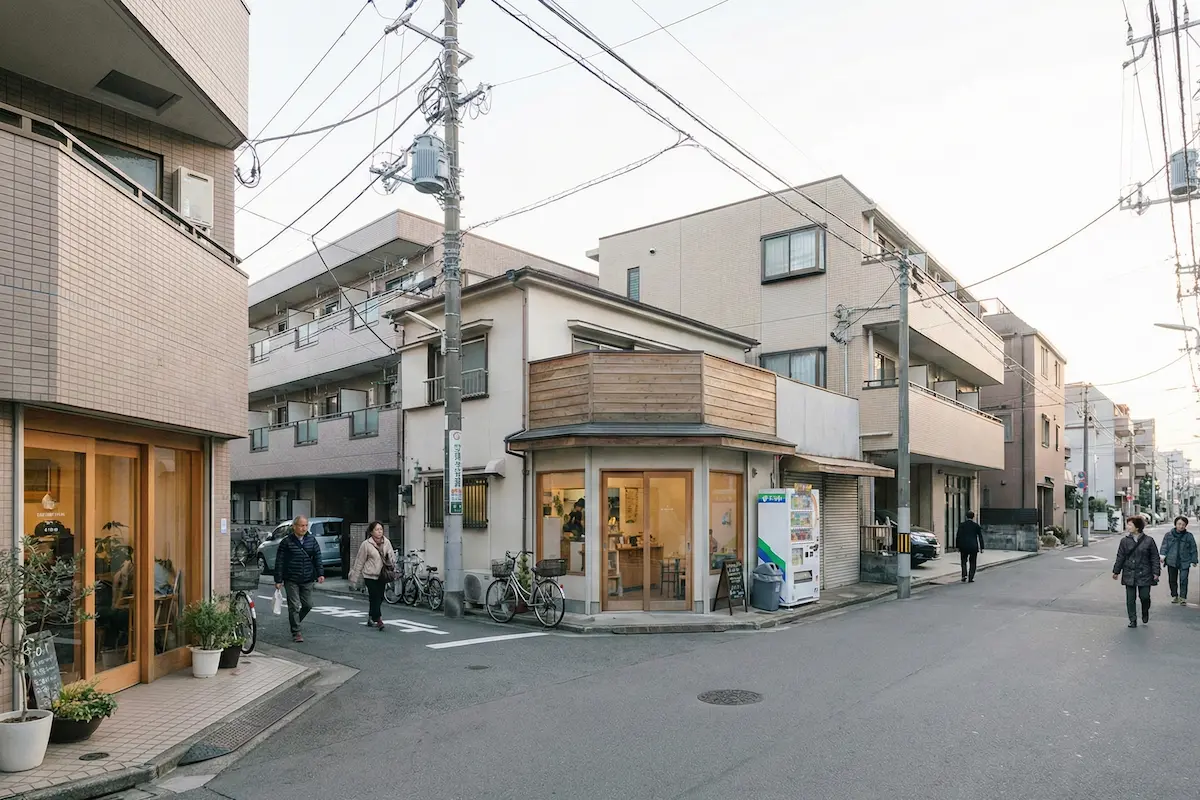
Everyday street-level city life in Japan with pedestrians and local shops
A walkable Japanese neighborhood street that reflects daily life for teachers living in Japan.
Foreign English teacher leading a conversational English class in Japan
A modern classroom scene representing conversational English teaching in Japan.
Foreign English teachers dining with Japanese friends at a traditional izakaya
Social dining in a traditional izakaya—an everyday way teachers connect with local community in Japan.
Traditional Japanese Zen garden with raked gravel, stones, and moss
A traditional Japanese Zen garden—calm cultural spaces that reflect Japan’s heritage and daily pace of life.
Mount Fuji with cherry blossoms reflected on a lake in Japan
Mount Fuji framed by cherry blossoms—an iconic seasonal landscape in Japan.

Japan job placement process for teaching English: myTEFL provides free placement support for eligible graduates, including eligibility screening, document guidance, CV support, school matching, interview coordination, and arrival preparation. Visa sponsorship is provided by the hiring school or program for approved candidates; myTEFL supports the process with guidance for partner placements.

Japan Job Placement Process

From TEFL Certification to Teaching in Japan

myTEFL supports graduates through each stage of teaching English in Japan—from eligibility checks and document prep to interviews, onboarding, and arrival planning for our partner school placements.

1. Eligibility Review
We confirm your core requirements (education, English level, and role fit) and outline the typical documentation used for Japan hiring and work visa processing with partner schools.
2. CV & Document Preparation
Practical guidance on your CV, passport pages, degree documentation, and background check steps commonly requested by employers in Japan.
3. School Matching & Interviews
Matching with myTEFL partner private language schools (eikaiwa) and education programs, followed by interview scheduling and preparation.
4. Visa & Arrival Support
Step-by-step guidance for Certificate of Eligibility (COE) and visa application workflow (as applicable), plus contract review basics and pre-departure preparation for a smooth arrival.

Typical Japan teaching timelines vary by employer and season; many placements take approximately 8 to 20 weeks from document readiness to start date, depending on interviews, COE issuance, and visa processing times.

Trusted by Global Teaching Programs

EPIK (English Program in Korea) — example of a global teaching program
JET Programme — Japan Exchange and Teaching Programme
Spanish Ministry of Education — language assistant program
SENA Colombia — training and employer partner
Verified private schools and academies that hire myTEFL graduates
Teach English in Japan | Benefits & Requirements | myTEFL

Benefits and requirements for teaching English in Japan with myTEFL job placement: typical salary ranges, visa sponsorship guidance, housing support, health insurance, time off, and eligibility criteria for ALT and eikaiwa roles.

Japan Teaching Package

Benefits & Requirements

Clear expectations for teaching English in Japan—typical benefits, common visa pathways, and what myTEFL looks for when reviewing applications.

Competitive Salary

¥250k–300k/month
(≈ US$1,700–2,100)

Standard Cost of Living

Higher than SE Asia, but many teachers live comfortably—especially outside central Tokyo—with smart commuting and local shopping.

Visa Sponsorship

Employers typically sponsor work visas; myTEFL provides guidance for the COE workflow and documentation readiness for partner placements.

Housing Support

Many roles include support such as subsidized housing, company apartments, or a guarantor/lease setup pathway (varies by employer).

Health Insurance

Enrollment in Japan’s public health coverage (NHI) or employer plans (Shakai Hoken) is common once employed.

Time Off

Paid leave plus National Holidays; school calendars may include seasonal breaks such as Golden Week and New Year (varies by role).

Contract Incentives

Some employers offer completion/renewal incentives, performance pay, or travel reimbursements—always confirm in your contract.

Arrival Support

Orientation, setup help (SIM/bank basics), and first-week guidance may be provided by employers; myTEFL supports pre-departure preparation.

Who This Program Is For

  • 120 / 140 hour myTEFL certificate
  • Bachelor Degree (most)
  • Or Working Holiday eligibility*
  • Native or fluent English speaker
  • Clean background check
  • Ready for a 12-month contract

Check Your Eligibility

Open the full checklist, including common exceptions (e.g., Working Holiday pathways where applicable).

  • Language: Native speakers often preferred; fluent non-native speakers with strong English may be considered depending on role and employer.
  • Degree: A bachelor’s degree is commonly required for standard work visa sponsorship pathways.
  • *Working Holiday: Some applicants may qualify via a Working Holiday pathway depending on passport and age rules.
  • Citizenship: Passport requirements vary by employer and visa route; myTEFL reviews this during eligibility screening.
  • Criminal Record: Clean national-level background check required for most employers.
  • Health: Must be fit to work; some employers request a basic health declaration or medical check.
  • TEFL: A 120-hour TEFL certificate is required for free myTEFL placement support.
  • Commitment: Most contracts are 12 months with renewal options.

Note: Requirements and benefits vary by employer (ALT vs eikaiwa vs private programs). Always confirm the final details in your offer and contract.

Don’t Have a TEFL Yet for Japan?

A 120-hour TEFL certificate is required to qualify for our free Japan job placement service. Complete your certification with myTEFL to unlock school matching and visa support.

Japan Reassurance Note
Already TEFL-certified with myTEFL? You can apply directly for Japan placement — no additional course required.

Reviews from verified myTEFL graduates who completed a 120-hour or 140-hour TEFL course and received Japan job placement support, including school matching, document guidance, and visa preparation steps. Locations include Fukuoka, Osaka, and Kyoto.

Stories from Our Japan Teaching Community

Real experiences from myTEFL graduates teaching English across Japan—highlighting course quality, support, and free job placement guidance for eligible 120-hour and 140-hour graduates.


Stephanie E., myTEFL graduate teaching English in Fukuoka, Japan
Teaching in Fukuoka, Japan
★★★★★
“Moving from Chicago to Japan has been the experience of a lifetime. After completing my course, myTEFL helped secure my teaching position in Fukuoka, making the transition smooth. Their Japan job placement support helped me start teaching and settle into life in Japan.”
Mercedez C., myTEFL graduate teaching English in Osaka, Japan
Teaching in Osaka, Japan
★★★★★
“Choosing a TEFL felt overwhelming, but myTEFL delivered. The course prepared me for my ALT role in Japan, strengthening my teaching skills and confidence. I now teach with more empathy and real connection.”
Jung H., myTEFL graduate review photo
Teaching in Kyoto, Japan
★★★★★
“After extensive research, I chose myTEFL’s 120-hour course and it exceeded expectations. The engaging lessons and strong support gave me confidence to pursue teaching English in Japan. Customer service was excellent, and I appreciated continued access to the course materials.”
Teaching English in Japan FAQs | myTEFL

Teaching English in Japan: FAQs

Clear answers on TEFL requirements, Japan teaching visas (including Certificate of Eligibility / COE), salary ranges in Japanese Yen (JPY), housing support, and eligibility for myTEFL partner schools in Japan.

myTEFL Japan job placement FAQs covering: TEFL certificate requirements, COE and visa steps, typical salaries in JPY, degree requirements, Working Holiday eligibility, housing support, non-native eligibility, and placement timelines.

For most roles in Japan, a TEFL certificate is strongly preferred, and it’s required to access myTEFL’s free Japan job placement support. Completing a 120-hour or 140-hour myTEFL TEFL certificate helps meet partner school expectations and demonstrates classroom readiness.
Most teachers work under a visa category aligned to the role (commonly an Instructor pathway for public schools and a Specialist in Humanities / International Services pathway for private language schools). The process usually starts with a Certificate of Eligibility (COE). We provide step-by-step guidance on the COE document checklist and the typical sequence for partner school placements.
Typical entry-level packages for our partner-school roles fall around ¥250,000–¥300,000 per month (≈ US$1,700–$2,100). Exact pay varies by employer type (ALT vs. private language school), location (Tokyo vs. regional cities), schedule, and experience.
For standard employer sponsorship, a Bachelor’s degree is usually required. Some applicants may qualify through alternative routes such as a Working Holiday pathway (where available). Working Holiday eligibility depends on citizenship and age requirements set by Japan’s program rules. If you’re unsure, apply and we’ll confirm which myTEFL partner options (if any) fit your profile.
Housing support varies by employer. Many public-school roles offer subsidized teacher housing or housing assistance. Private language schools commonly provide apartment setup support (and sometimes company housing), with rent typically paid by the teacher (often via payroll deduction). We clarify housing expectations during matching.
Eligibility is confirmed during screening, but typical requirements include:
  • myTEFL 120-hour or 140-hour TEFL certificate
  • Visa eligibility (often a Bachelor’s degree for sponsored roles, or an eligible Working Holiday route where applicable)
  • Clean national-level criminal background check
  • Strong English proficiency (native or fluent non-native)
  • Availability for a 12-month contract (common for many roles)
Not always. Some schools prefer native speakers, but fluent non-native English speakers may be eligible, depending on the employer and visa route. If your English is strong and your documents meet requirements, we can evaluate partner-school options during screening.
A typical timeline is 3–6 months, depending on hiring windows, document readiness, and COE processing time. Once documents are complete, we coordinate interviews and provide a clear next-step checklist through the process.
Many entry-level roles do not require prior experience. A recognized TEFL certificate, a strong interview, and professional communication matter most for first-time teachers. Your myTEFL training helps you demonstrate this.
ALTs (Assistant Language Teachers) typically work in public schools with weekday daytime schedules and more predictable holidays. Eikaiwa are private conversation schools, often teaching smaller classes with afternoon/evening hours and varying days off. Both can be a great fit—matching depends on your goals and schedule.
Japan FAQ Soft CTA

Ready to Teach English in Japan?

Start your application or check eligibility in under 2 minutes.

Japan Micro Trust Strip
Trusted by 40,000+ graduates
Free job placement for myTEFL grads
Established Japan partners
Japan Job Placement Application Popup | myTEFL